
Getting Your Garage Door Ready for Winter: The Short Answer
In Micanopy, winterizing a garage door doesn't mean bracing for ice and snow. It means dealing with the swing between warm afternoons and cold nights, the drop in humidity after a wet summer, and the wear hurricane season left behind. Lubricate moving parts, check the weatherstripping, test the balance, and inspect anything that took a beating during storm season. Do that now, before the first real cold snap, and you'll avoid most of the breakdowns that show up in December and January.
Why North Florida Winters Still Stress a Garage Door
Homeowners moving here from colder states often assume winter prep is pointless when it never really freezes. But a Micanopy garage door spends all summer swelling with humidity, then faces cooler, drier air starting in November. That shift causes wood panels to contract, metal hardware to tighten or loosen, and weatherstripping that was pliable in August to stiffen and crack by January.
Add in the occasional overnight freeze or hard cold snap, and torsion springs that were already stressed from summer heat can become brittle. Steel tracks and rollers that picked up rust from humid air or salt-tinged breezes near the coast are more likely to bind once temperatures drop and lubricant thins out. None of this is dramatic, but it adds up to squeaks, stiff openings, and sometimes a door that won't move at all on a cold morning.
Step-by-Step: Preparing Your Garage Door for the Season
- Inspect for storm season damage first. Before you do anything else, check panels, tracks, and the bottom seal for dents, warping, or gaps left over from summer storms. Small issues are easier to fix now than after a cold snap makes materials more brittle.
- Lubricate hinges, rollers, and springs. Use a silicone-based or garage-door-specific lubricant, not household oil, which attracts dust and grime. Lower humidity in winter months dries out old lubricant faster than people expect, so this step matters even if you did it in the summer.
- Check and replace weatherstripping. The rubber seal along the bottom of the door and around the frame keeps out cool drafts, pests looking for shelter, and wind-driven rain. If it's cracked, flattened, or pulling away, replace it now rather than waiting for a leak during the next downpour.
- Test the auto-reverse safety feature. Place a block of wood in the door's path and close it. The door should reverse on contact. This is a simple five-minute test that catches a failing sensor or misaligned safety eye before it becomes a real hazard.
- Tighten loose hardware. Brackets, bolts, and hinges loosen naturally from constant vibration and temperature changes. A ratchet and twenty minutes is usually all it takes to snug everything back up.
- Check the balance. Disconnect the opener, lift the door halfway by hand, and let go. It should hold its position. If it drifts up or crashes down, the springs are out of balance and under strain, which is more likely to cause a failure as temperatures cool and metal contracts.
- Clean and inspect the tracks. Wipe away dust, pollen, and any rust spots that formed during the humid months. Rust left untreated will worsen as condensation forms on cool mornings.
- Look at the opener's battery backup. If storms knock out power this winter, a working battery backup keeps the door functional. Replace the backup battery if it's more than a couple of years old.
Problems to Watch For Once Temperatures Drop
- Stiff or slow movement in the morning. Usually a sign that lubricant has thickened or dried out overnight.
- New squeaking or grinding. Often rollers or hinges that need lubrication, but can also signal a bearing wearing out.
- A door that feels heavier than usual. This points to spring fatigue, which is more likely to surface after a season of heat followed by a cold snap.
- Gaps letting in cold air or pests. Worn weatherstripping is the usual cause, and it's a quick fix if caught early.
- Rust spots along the tracks or hardware. Humidity and, for homes closer to the coast, salt air accelerate this. Left alone, rust will eventually cause the door to bind or stick.
When to Call Micanopy Garage Door Experts
Most of the checklist above is manageable for a homeowner with basic tools. But if the door is unbalanced, a spring looks worn or stretched, or the opener isn't responding reliably, it's time to call in a professional. Torsion springs are under heavy tension and are genuinely dangerous to adjust or replace without the right training and equipment — this is one job best left to a technician.
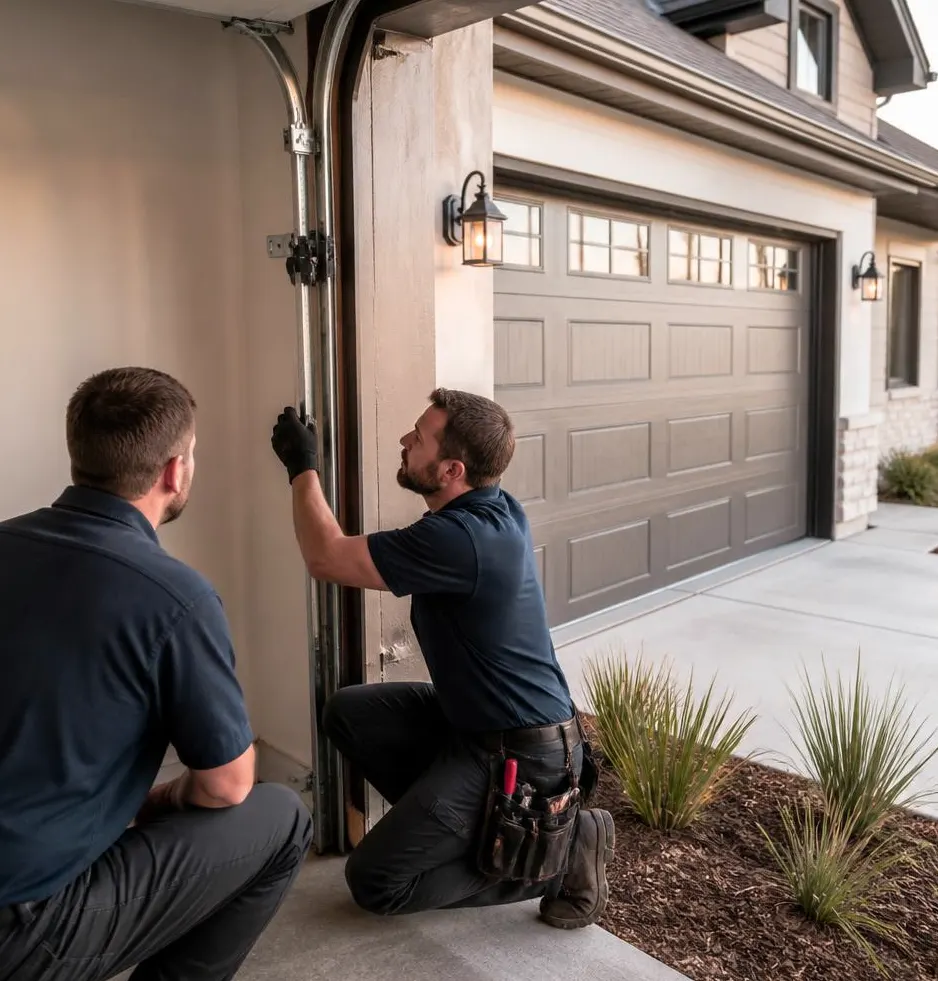
Our team handles Garage Door Tune-Up & Maintenance visits that cover lubrication, hardware tightening, balance checks, and a full inspection for storm-related wear, all in one appointment. If a spring is showing its age or has already failed, we also provide Garage Door Spring Repair with the correct replacement parts sized for your door and sized for safe operation through the cooler months ahead.
If your garage door has been sluggish, noisy, or just hasn't been looked at since before hurricane season, now is the time. Call Micanopy Garage Door Experts to schedule a winter tune-up for your Micanopy, FL home and head into the cooler months with a door that works the way it should.